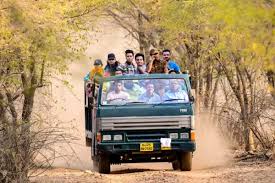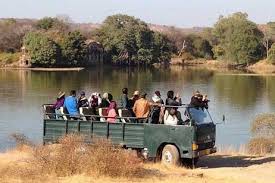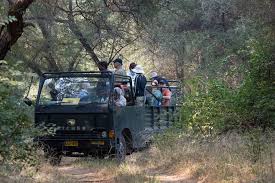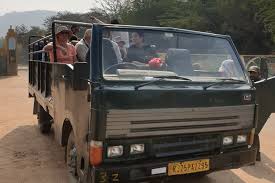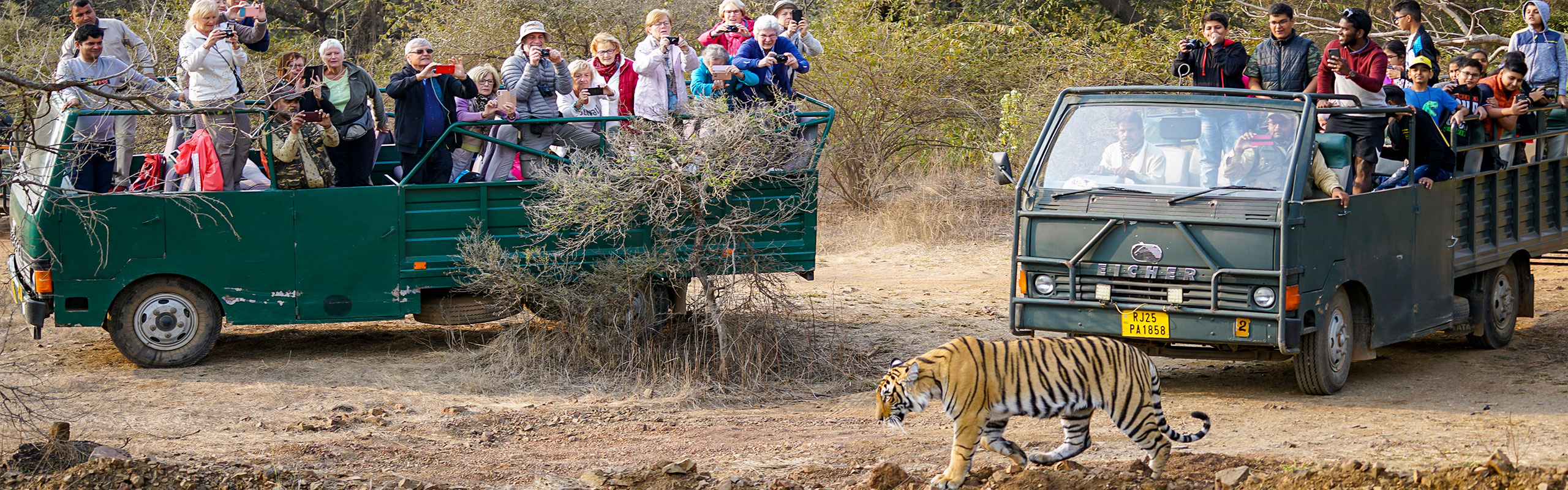
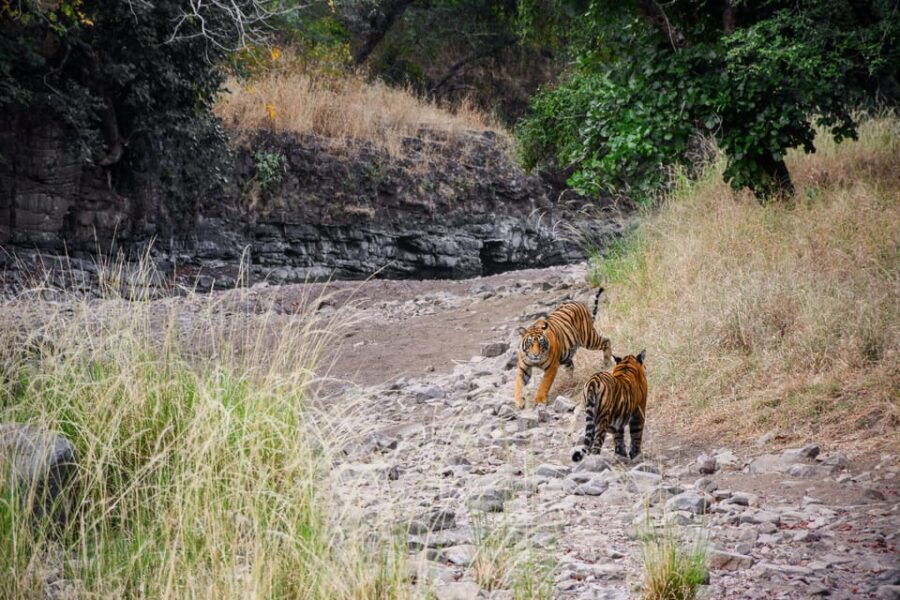
Ranthambore National Park is one of the most popular wildlife destinations in India and is especially famous for its Bengal tigers, beautiful landscapes, ancient ruins, lakes, and rich biodiversity. Among the most popular ways to explore the park is the Canter Safari in Ranthambore, a shared wildlife safari experience that allows visitors to travel through the forest in an open-roof safari vehicle.
A Ranthambore Canter Safari is ideal for families, groups of friends, couples, and solo travelers who want to experience the wilderness while keeping the safari experience relatively affordable. The open vehicle provides an excellent opportunity to observe wildlife, enjoy the natural surroundings, and capture memorable photographs.
What Is a Canter Safari in Ranthambore?
A Canter Safari is a shared safari conducted in an open-roof vehicle designed to carry a group of visitors into Ranthambore National Park. Unlike a Jeep Safari, which generally accommodates a smaller number of passengers, a Canter can accommodate a larger group.
The vehicle travels through designated safari zones under the rules and regulations of the forest authorities. Experienced drivers and safari guides accompany visitors and help them understand the forest, wildlife, bird species, animal tracks, vegetation, and other interesting aspects of the national park.
The main attraction of the safari is the possibility of spotting a Bengal tiger in its natural habitat. However, wildlife sightings are never guaranteed because animals move freely through the forest.
Why Choose Ranthambore Canter Safari?
There are several reasons why travelers choose the Canter Safari in Ranthambore. One of the biggest advantages is that it provides an exciting wildlife experience at a comparatively accessible price.
The larger vehicle is particularly suitable for families and groups who want to enjoy a safari together. You can travel through the forest, observe wildlife, enjoy the scenery, and share the experience with fellow travelers.
Another advantage is the open design of the vehicle. Passengers can enjoy unobstructed views of the forest and surrounding landscapes. The elevated seating arrangement can also provide good visibility while searching for wildlife.
For first-time visitors to Ranthambore, Dev Tour and Safari can be a wonderful introduction to the national park.
Canter Safari vs Jeep Safari
Both Canter and Jeep Safaris offer exciting opportunities to explore Ranthambore, but there are some important differences.
A Jeep Safari generally accommodates a smaller group and offers a more private experience. It can be a good choice for travelers who prefer a quieter and more personalized safari.
A Canter Safari, on the other hand, accommodates more passengers and is generally preferred by families, larger groups, and budget-conscious travelers.
The choice depends on your budget, group size, and preferred travel experience. If you are traveling with several family members or friends, a Canter Safari can be a convenient option.
Ranthambore Wildlife Experience
Ranthambore is much more than a destination for tiger sightings. The national park is home to a wide variety of animals, birds, reptiles, and plant species.
During a Canter Safari, visitors may have opportunities to see animals such as:
* Bengal Tiger
* Leopard
* Sloth Bear
* Sambar Deer
* Spotted Deer
* Wild Boar
* Indian Gaur
* Nilgai
* Chinkara
* Crocodiles
* Langurs
The park is also home to numerous bird species. Depending on the season and location, visitors may see peafowl, kingfishers, eagles, owls, parakeets, herons, storks, and many other birds.
Even when a tiger is not spotted, the forest itself provides a memorable experience.
Tiger Spotting in Ranthambore
Tiger spotting is one of the primary reasons travelers book a Ranthambore safari. The park has gained international recognition for its tiger population and for opportunities to observe these magnificent animals in their natural environment.
However, it is important to understand that Ranthambore is a wild habitat. Tigers are not trained or displayed for tourists, and their movements cannot be predicted.
Your safari guide and driver continuously observe the surroundings for signs of wildlife. They may look for alarm calls from deer and langurs, pugmarks, movement in the vegetation, or other indications that a predator may be nearby.
The excitement of waiting quietly in the forest and suddenly seeing a tiger is one of the most unforgettable parts of the Ranthambore safari experience.
Ranthambore Safari Zones
Ranthambore National Park is divided into different safari zones. The forest authorities allocate safari vehicles to specific zones according to the prevailing booking and management system.
Each zone has its own landscape and wildlife characteristics. Some areas feature lakes and water bodies, while others contain dry forests, grasslands, rocky terrain, and historic structures.
Wildlife movement can change from season to season and even from day to day. Therefore, visitors should not assume that one particular zone will always provide tiger sightings.
The best approach is to enjoy the entire forest experience rather than focusing exclusively on seeing a tiger.
Best Time for Canter Safari in Ranthambore
Ranthambore is generally visited during the wildlife safari season when the park is open to tourists. The exact opening periods and safari schedules can be affected by forest department rules, weather conditions, and seasonal regulations.
The months from October to April are widely considered comfortable for wildlife tourism because temperatures are generally more pleasant, particularly during morning safaris.
The warmer months can also provide interesting wildlife-viewing opportunities because animals may visit water sources. However, daytime temperatures can become quite high.
Before planning your trip, it is advisable to check the latest safari availability, zone allocation, timings, and official regulations.
Morning and Afternoon Canter Safari
Ranthambore generally offers safari experiences during morning and afternoon/evening periods, subject to the official schedule.
A morning safari allows visitors to enter the forest when temperatures are cooler and wildlife may be active. The atmosphere can be especially peaceful, with birds calling and the forest gradually becoming active.
An afternoon safari offers a different experience. As temperatures change, wildlife may become active around water sources and shaded areas.
If your travel schedule allows, taking more than one safari can increase your overall wildlife-viewing opportunities and allow you to experience the forest at different times of the day.
How to Book Canter Safari in Ranthambore
Canter Safari bookings should be made according to the current rules and procedures established by the relevant forest authorities.
Travelers generally need to provide passenger details and identification information during the booking process. Availability can vary depending on the travel date, safari timing, vehicle capacity, and demand.
During peak tourist seasons, safari seats can become limited. Therefore, advance planning is recommended, particularly for weekends, holidays, and family trips.
If you are unfamiliar with the booking process, a local travel agency or safari booking service can assist with understanding the available options, documentation, hotel coordination, and transportation.
What to Carry for a Canter Safari
Proper preparation can make your Ranthambore safari much more comfortable.
Visitors should consider carrying:
* Government-approved identification
* Safari booking confirmation
* Comfortable clothing
* Sunglasses
* Hat or cap
* Sunscreen
* Water bottle
* Binoculars
* Camera
* Extra batteries or power bank
* Light jacket during cooler months
* Comfortable shoes
Neutral or natural-colored clothing is generally preferable for wildlife watching. Avoid making unnecessary noise or sudden movements inside the vehicle.
Safari Rules and Responsible Tourism
Ranthambore National Park is a protected wildlife habitat, so visitors must follow the instructions provided by forest authorities, guides, and drivers.
Do not feed animals, throw waste, shout at wildlife, or attempt to attract animals for photographs. Visitors should remain inside the designated vehicle and follow all safety instructions.
Responsible tourism helps protect the park and ensures that future generations can enjoy the same natural environment.
Photography is a major attraction during a safari, but wildlife welfare should always come before getting the perfect photograph.
Tips for a Better Canter Safari Experience
To make the most of your Ranthambore Canter Safari, keep the following tips in mind:
Book in advance: Popular safari dates can fill quickly, especially during peak travel periods.
Arrive on time: Reach the designated reporting point before the scheduled departure.
Listen to your guide: Local guides and drivers have valuable knowledge of animal behavior and the forest.
Be patient: Wildlife sightings require patience. Avoid expecting a tiger immediately after entering the park.
Carry binoculars: They can help you observe birds and animals at a distance.
Keep your camera ready: Wildlife can appear suddenly and may disappear within seconds.
Respect nature: Keep noise levels low and never disturb animals.
Canter Safari for Families
A Canter Safari can be a good option for families visiting Ranthambore. Children can enjoy seeing deer, monkeys, birds, crocodiles, and other wildlife while learning about nature.
Parents should ensure that children remain seated and follow the instructions of the safari guide. The safari can become an educational experience where children learn about wildlife conservation, forests, animal behavior, and the importance of protected habitats.
For families, combining a Canter Safari with a comfortable stay in a nearby hotel or resort can make the Ranthambore trip more convenient.
Combine Safari with a Ranthambore Stay
A wildlife trip becomes even more enjoyable when you stay near the national park. Ranthambore and Sawai Madhopur offer a variety of hotels, resorts, jungle resorts, and accommodation options.
Travelers can plan a complete itinerary that includes hotel accommodation, Canter Safari, local sightseeing, transportation, and visits to nearby attractions.
The historic Ranthambore Fort is another major attraction in the region. Combining wildlife, history, and nature can turn a short safari trip into a memorable Rajasthan holiday.
The Canter Safari in Ranthambore offers an exciting and accessible way to explore one of India's most famous wildlife destinations. From the thrill of searching for a Bengal tiger to watching deer, birds, crocodiles, monkeys, and other wildlife, every safari can bring a new experience.
A Canter Safari is particularly suitable for families, groups, and travelers looking for a shared safari experience. With proper planning, advance booking, comfortable clothing, and respect for wildlife rules, visitors can enjoy a safe and memorable journey through the forests of Ranthambore.
Most importantly, remember that a safari is not only about spotting a tiger. It is about experiencing the forest, understanding wildlife, enjoying nature, and appreciating the importance of conservation. Whether you are visiting Ranthambore for the first time or returning for another wildlife adventure, a Canter Safari can become one of the highlights of your Rajasthan trip.
There are 10 different safari zones for tourists inside Ranthambhore.
Zone 1: Singhdwar Raipur, Amreshwar Dang, Tuti ka Nalla, Sultanpur, Gada Dub, Peela Pani, exit from Singhdwar
Zone 2: Jogi Mahal, Jhalra, Kamaldhar, Amrai Phoota Bandha, Pandudeh, Guda, Gandharia, Polkya, exit from Jogi Mahal
Zone 3: Jogi Mahal, Padam Talab, Raj Bagh, Mandook, High Point, exit from Jogi Mahal
Zone 4: Singhdwar, Tamakhan, Malik Talab, Lakarda, Berda, Semli, Adidaant, Lambi, exit from Singhdwar
Zone 5: Singhdwar, Jokha, Kachida, Dhakda, Baghda, Bakola, Anatpura, exit from Singhdwar
Zone 6: (Kundal): Rajbagh Naka, Palli Darwaza, Kundal Area, Patwa Baori, Sonkach, Kala Pani, exit from Rajbagh Naka
Zone 7: (Chidikho): Rajbagh Naka, Chidikho, Jamoda, Kushalipura, exit from Rajbagh Naka
Zone 8: (Balas): Balas, Neemli Dang, Kali Bhat, Kherai, Mahakho, exit from Balas
Zone 9: ( Kuwalji) Approx 45 kms
Zone 10: Kushalipura , Bodal , Halonda ,Banskhori , Aantri , exit from Devpura
Ranthambhore Animals:
Tigers, Leopards, Striped Hyenas, Sambar deer, Chital, Nilgai, Common or Hanuman langurs, Macaques, Jackals, Jungle cats, Caracals, Sloth bears, Black Bucks, Rufous-tailed Hare, Chinkara, Common Palm Civets or Toddy Cats, Common Yellow Bats, Desert Cats, Fivestriped Palm Squirrels, Indian Fal The amphibian species only consist of the common India toad and the common frog.